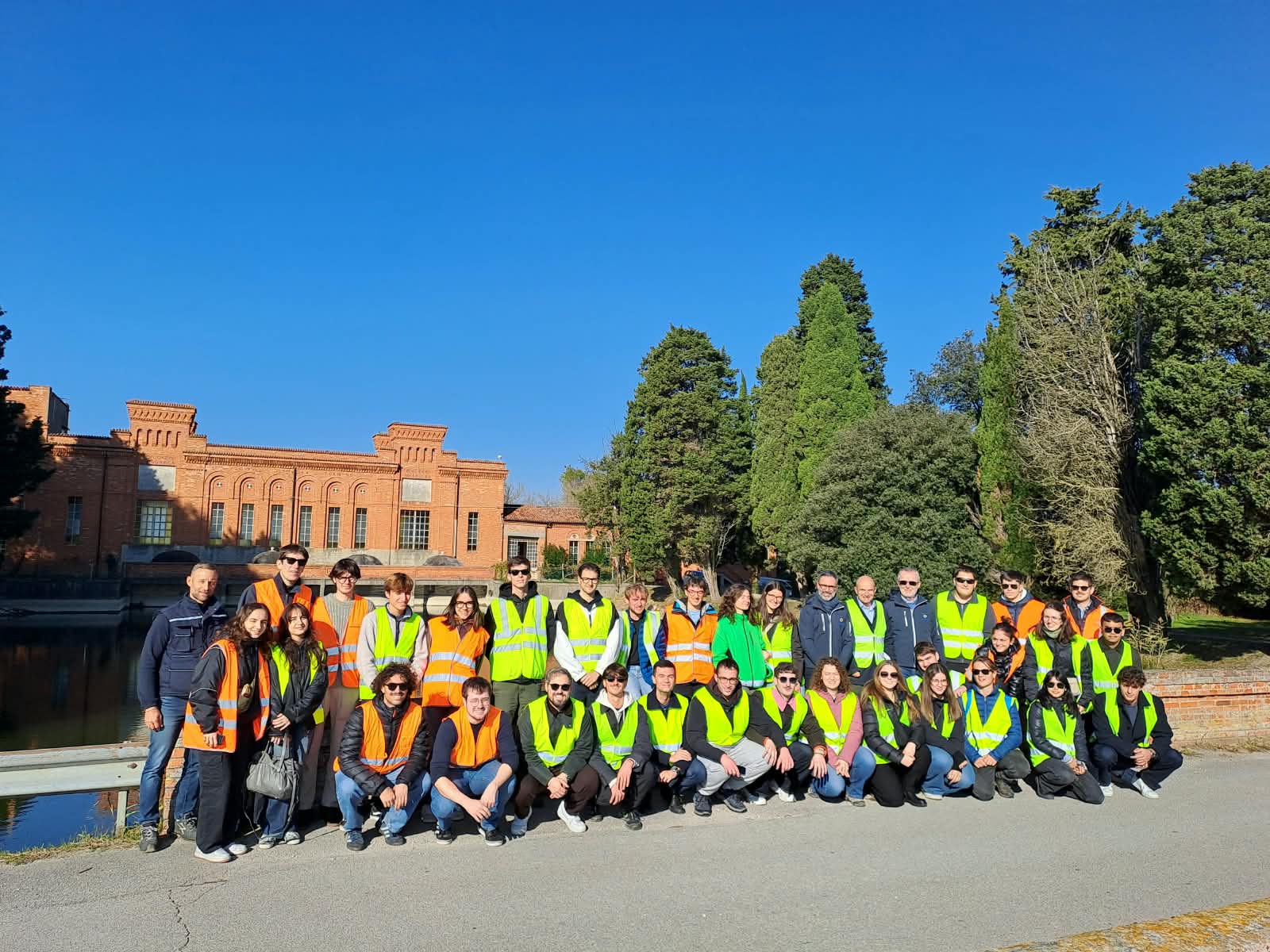
On 5 and 6 November 2026, Eastern Veneto welcomed Civil and Environmental Engineering students from Politecnico di Milano, accompanied by Professor Marco Mancini, for an educational programme dedicated to exploring land reclamation landscapes and the challenges of water management.
The initiative, entitled “From Land Reclamation Landscapes to Water Management”, promoted by DeltaMed and hosted by the Consorzio di Bonifica Veneto Orientale (Eastern Veneto Land Reclamation Consortium), offered students the opportunity to gain a deeper understanding of a territory where the relationship between land and water has profoundly shaped the landscape, human activities and the development of hydraulic infrastructure.
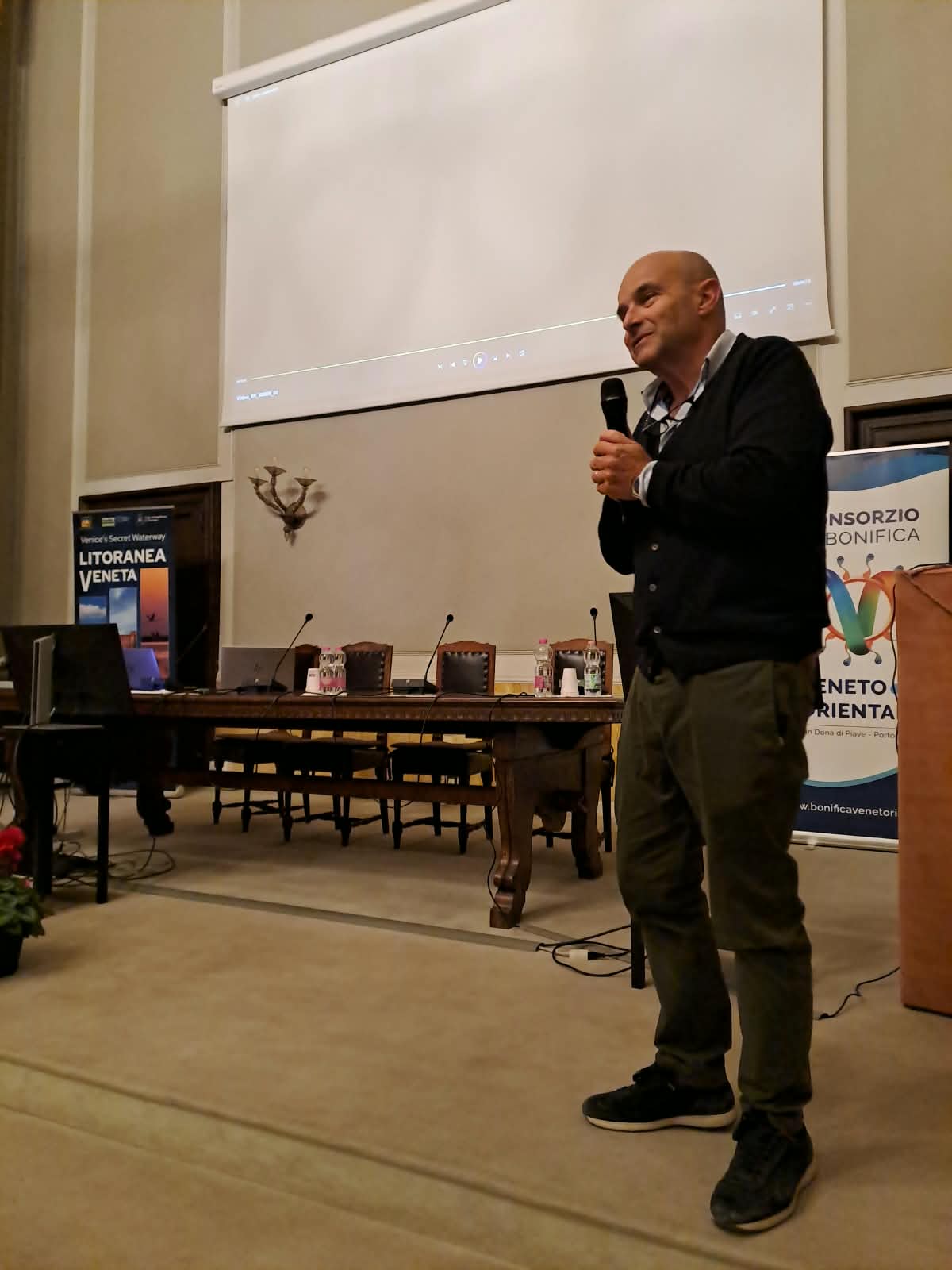
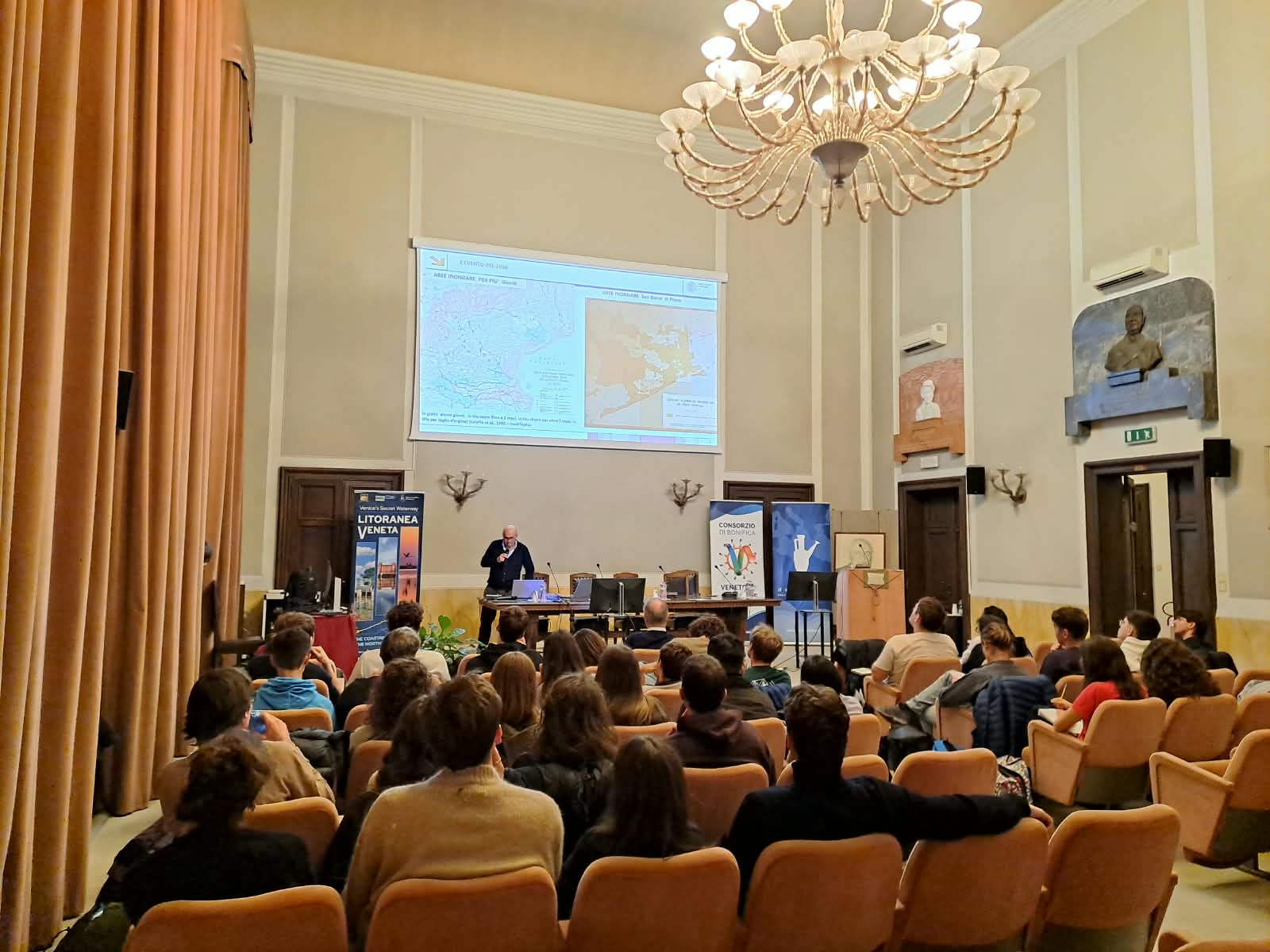
The afternoon of 5 November was dedicated to technical presentations at the Consortium’s headquarters in San Donà di Piave, where the students were welcomed by Deputy Director Graziano Paulon, who emphasised the importance of such educational experiences for future professionals who will be called upon to address the challenges of land and water management. DeltaMed Secretary Luca Saccone then presented the programme and introduced the afternoon’s speakers.
Professor Marco Mancini outlined the characteristics of a territory shaped by rivers, land reclamation and the sea, while Professor Elisabetta Novello, from the University of Padua, explored the history and transformation of land reclamation landscapes. Erika Grigoletto, an engineer at the Consortium, then provided an in-depth overview of Eastern Veneto’s hydraulic system and the main challenges associated with water management.
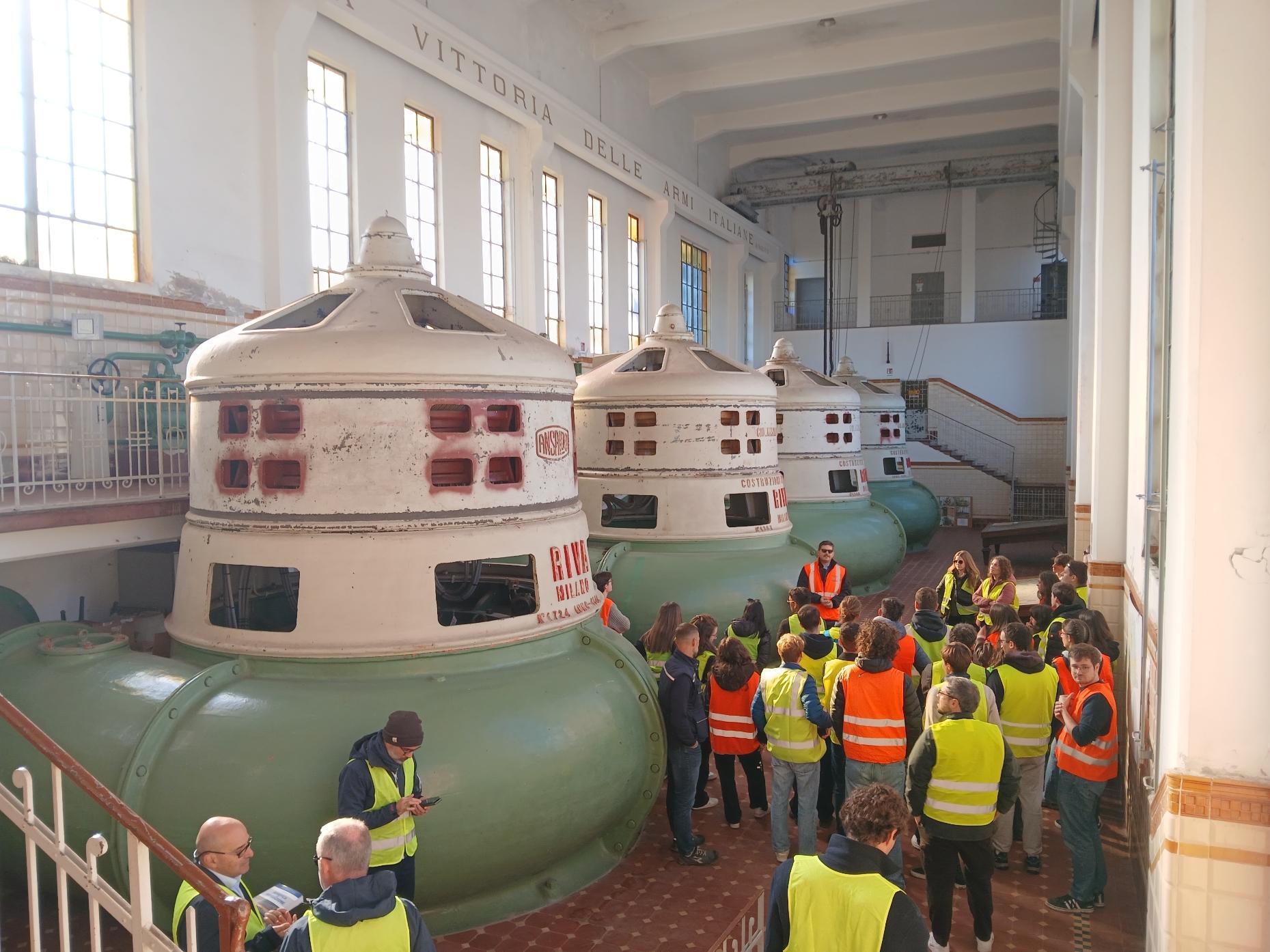
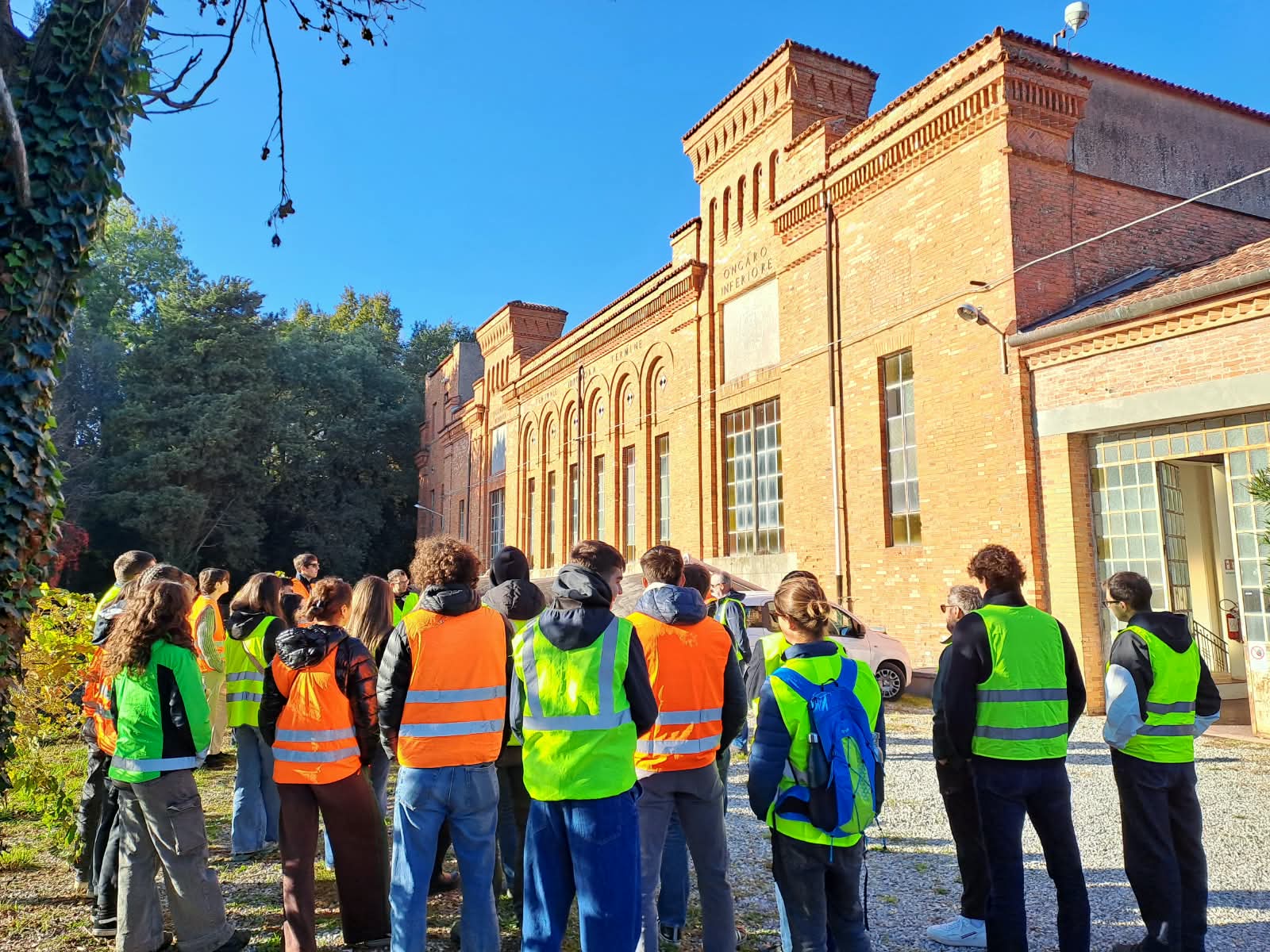
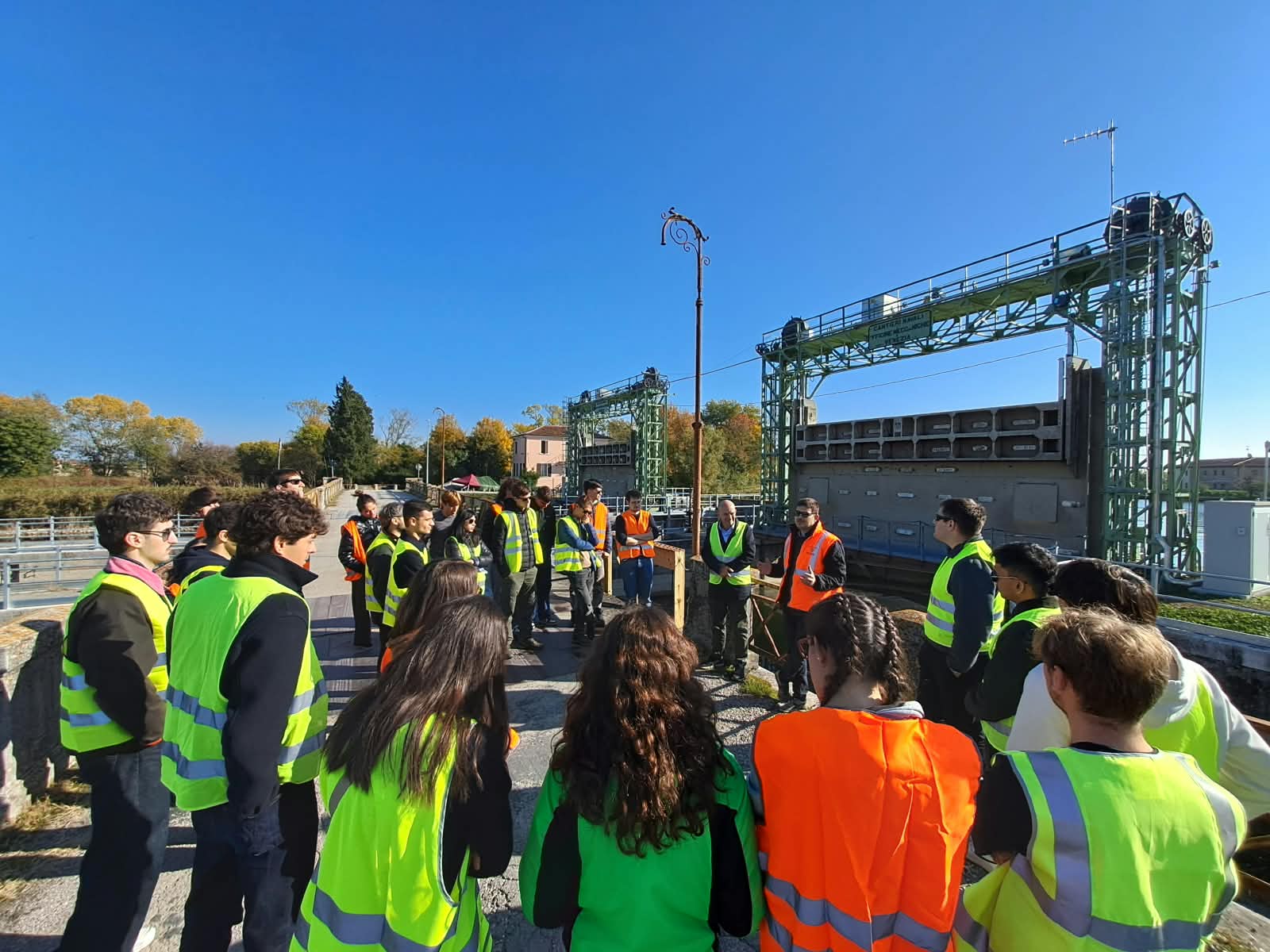
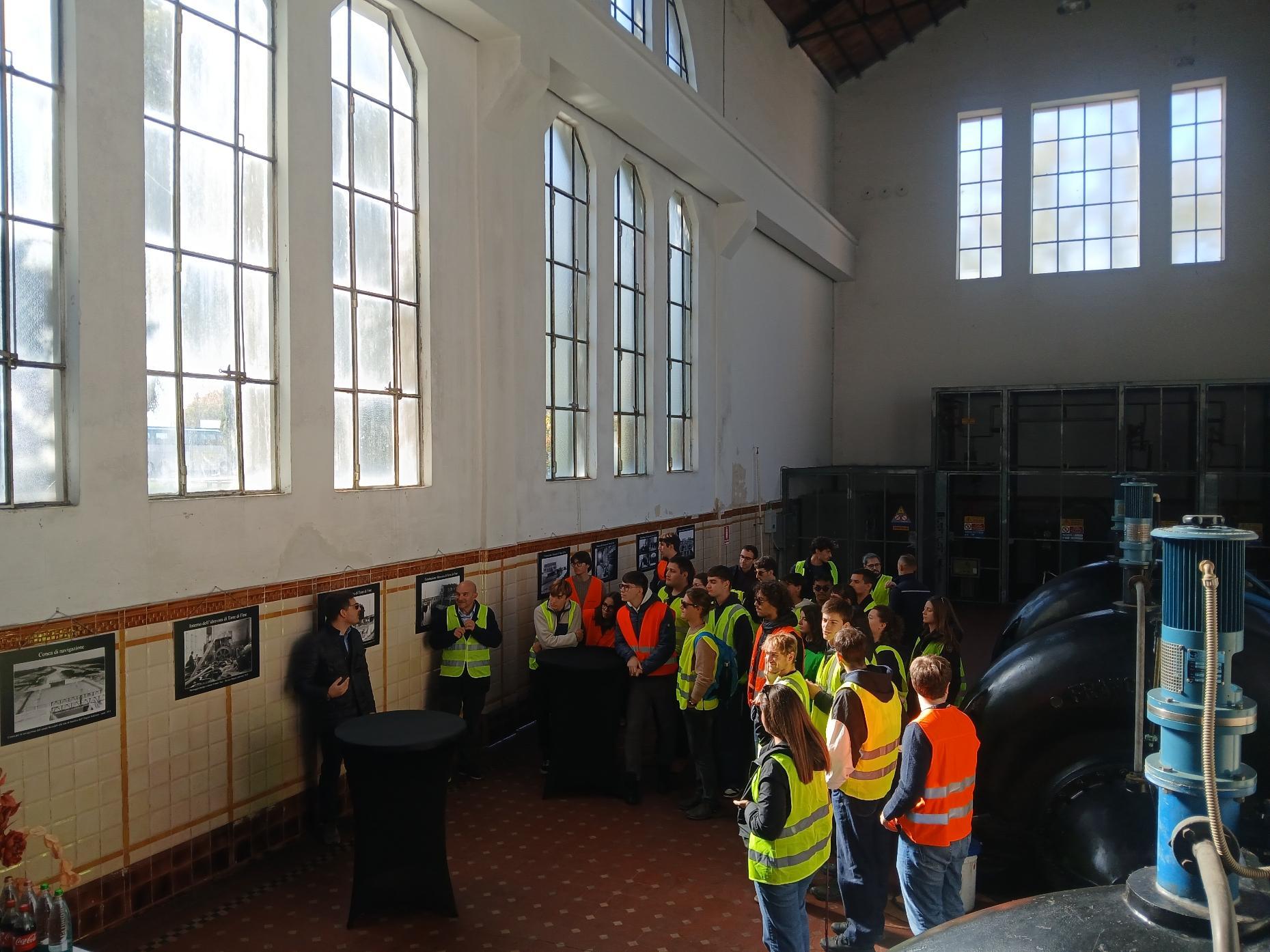
The morning of 6 November was dedicated to a journey through the land reclamation landscape, with visits to some of the area’s most important hydraulic infrastructures. The itinerary began along the embankments of the Piave River in Eraclea and continued to the historic Termine pumping station, where students gained first-hand insight into the operation of water pumping systems.
The visit continued to the Brian water control structure, recently restored and upgraded by the Consortium. This infrastructure plays an important role in water regulation and in enhancing the historic Litoranea Veneta waterway. The itinerary concluded at the Torre di Fine pumping station, with a focus on the recently completed works to reinforce the embankment of the Revedoli Canal and install an impermeable cut-off wall.
The educational experience provided a valuable opportunity to connect academic knowledge with practical approaches to managing a complex and vulnerable territory, where flood protection, environmental conservation and climate change adaptation are closely interconnected challenges.
For DeltaMed, the initiative highlights the importance of collaboration with universities and field-based learning as essential tools for promoting knowledge of deltaic and coastal territories and encouraging the exchange of expertise among students, researchers and water management professionals.
An experience of learning and exchange that demonstrates the importance of introducing younger generations to territories where the relationship between people and water continues to present both daily challenges and opportunities for innovation.